
What Happens When You Claim Social Security While Still Working
May 15, 2026
What Happens When You Claim Social Security While Still Working
May 15, 2026
Share this post:

More people are choosing to work longer, which has led to a common question: can you collect Social Security and still work while earning income at the same time?
The answer is yes, but working while claiming Social Security is often more complex than expected. What looks like two separate income streams can begin to influence each other once both are in place.
We’ve seen situations where someone starts Social Security benefits expecting it to simply add to their income, only to find that timing and earnings levels affect how much they receive and when. It’s not a mistake, it’s how the system works, but it can come as a surprise.
This is where the real decision sits. It’s less about whether you can do both, and more about how those two pieces fit together over time as part of your overall Social Security benefits while working.
What “Working While Claiming” Actually Means
When people talk about working while claiming Social Security, they’re usually referring to a specific window of time. It’s the period when you’ve started Social Security benefits but are still earning income, often before reaching full retirement age.
In practical terms, this can look like:
- Starting Social Security at 62, 63, or 64 while continuing in a full-time or part-time role
- Receiving Social Security benefits while also earning wages, bonuses, or consulting income
- Transitioning into retirement gradually rather than all at once
This approach is becoming more common, especially for those who want to maintain flexibility or ease into retirement on their own terms while continuing to work.
Where it becomes more nuanced is how these two income streams interact. The rules are not the same across all ages. The way Social Security is calculated and paid can change depending on whether you’re before or after full retirement age under current Social Security rules.
That distinction matters more than most people expect. Before full retirement age, earned income can influence how Social Security benefits are paid. After that point, earnings limits no longer apply, which changes how the decision fits into your overall plan.
Next step: If you’re considering working while claiming Social Security, start by identifying where you are relative to full retirement age. That one detail will shape how the rest of the decision unfolds
The Rule Most People Don’t Fully Understand: Earnings Limits
When you claim Social Security before full retirement age and continue working, Social Security earnings limits come into play. This is one of the most misunderstood parts of the system, and it’s often where expectations and reality don’t quite line up when working while claiming Social Security.
1. How the Earnings Limit Works
If your income exceeds a certain threshold, a portion of your Social Security benefits may be withheld.
- For every dollar earned above the limit, benefits are reduced based on a set formula
- The threshold is higher in the year you reach full retirement age
- Once you reach full retirement age, the limit no longer applies
At first glance, this can feel like a penalty for continuing to work. In practice, it functions more like a timing adjustment. The system is essentially shifting when you receive certain Social Security benefits rather than eliminating them outright.
2. What “Reduced Benefits” Actually Means
This is where most of the confusion tends to happen.
- Benefits that are withheld are not necessarily gone for good
- In many cases, they are factored back into your Social Security benefit over time through recalculation
- The adjustment happens behind the scenes, which is why it’s easy to miss
We’ve seen people avoid claiming altogether because they believe they would be “losing” money by working. Others claim early without realizing how their income will affect what they actually receive. In both cases, the misunderstanding comes from not knowing how Social Security earnings limits actually work.
Understanding this distinction can change how the decision is evaluated. It shifts the conversation from “Will I lose benefits?” to “When and how will those benefits be received?”
Not sure how working while claiming affects what you actually receive?
Download Social Security Decisions You Only Get One Chance to Make to see how timing, income, and key decisions can shape your benefits over time.
Where Timing Starts to Matter More
Once you understand the basic Social Security rules, the next layer is timing. This is where many of the real planning decisions begin to take shape, especially when working while claiming Social Security and income and benefits start to overlap.
1. The Year You Reach Full Retirement Age
The year you reach full retirement age marks a meaningful shift in how Social Security rules work.
- Different earnings limits apply during that year
- Once full retirement age is reached, earnings limits no longer apply
- Social Security Benefits are no longer reduced based on earned income
This creates a natural inflection point. Before full retirement age, income can influence how Social Security benefits are paid. After that point, those constraints fall away, which can open up more flexibility in how you coordinate work and Social Security benefits while working.
For many people, this becomes a key planning milestone, not just because of age, but because of how it changes the rules around income and Social Security benefits.
2. Income Volatility and Planning Challenges
Not all income is steady, and that can make working while claiming Social Security more nuanced than it appears.
- Bonuses, commissions, or consulting income can push earnings above the Social Security earnings limit
- A strong year of income can lead to more Social Security benefits being withheld than expected
- Irregular income can make it harder to anticipate how benefits will be affected
This is where the conversation shifts from whether you’re working to how your income behaves. A steady salary may be easier to plan around, while variable income can introduce more uncertainty into the equation when it comes to Social Security benefits while working.
We’ve seen situations where someone expects to stay under the limit, only to have a late year bonus or unexpected income change the outcome. It’s not uncommon, but it can affect both cash flow and expectations if it isn’t considered upfront.
Next step: If your income isn’t consistent year to year, it may be worth mapping out a few scenarios before claiming Social Security. Looking at how different income levels could affect your benefits can help you make a more informed Social Security claiming decision about timing.
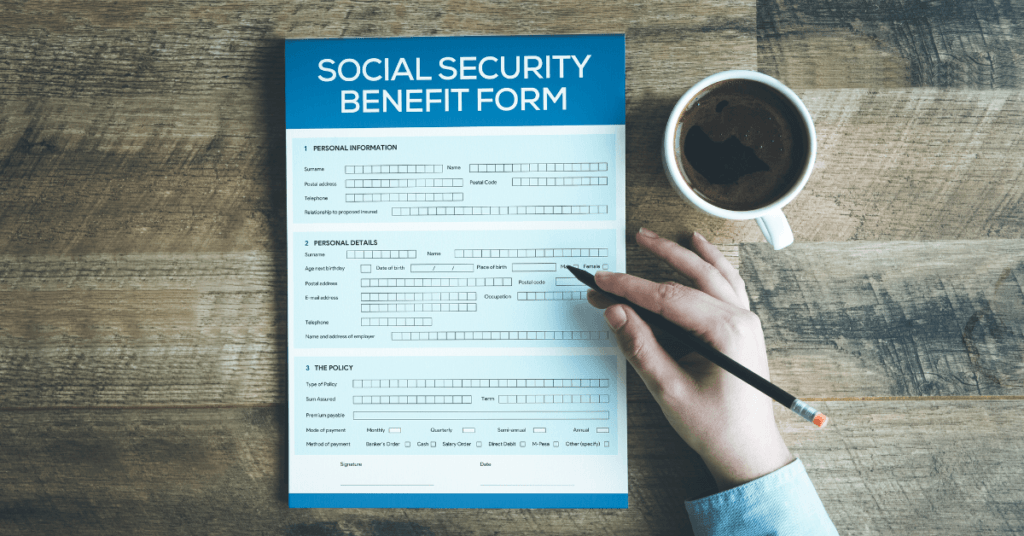
Case Study: Claiming at 63 While Still Earning
This example reflects a client experience. The client was not compensated for sharing it. The experience is not representative of all clients, and results are not guaranteed and will vary based on individual circumstances.
Consider someone in their early 60s who plans to keep working in a high income role for a few more years and decides to claim Social Security at 63, expecting it to simply add to their income while working.
At first, the decision feels straightforward. The additional income creates flexibility, and there’s no immediate reason to delay Social Security benefits.
What isn’t always clear is how their earnings interact with Social Security before full retirement age.
- Their income exceeds the earnings limit
- A portion of benefits is withheld
- It becomes unclear whether those benefits are lost or delayed
This is where confusion tends to set in. Payments may not arrive as expected, and what felt like a simple decision starts to affect cash flow in ways that weren’t anticipated when working while claiming Social Security.
Over time, the structure becomes clearer, but the early experience can still create friction in planning. The takeaway isn’t that working while claiming Social Security is a problem. It’s that the timing of income and benefits needs to be considered together.
Next step: Before claiming Social Security, compare your expected income to the Social Security earnings limits so you have a clearer picture of how your benefits may be affected.
Why This Is Often Misunderstood
For something that comes up so often, working while claiming Social Security is frequently oversimplified. It’s usually framed as a yes or no question, which misses the part that actually matters when evaluating Social Security benefits while working.
- It’s treated as a binary decision, rather than one that depends on timing and income
- The way Social Security benefits are adjusted isn’t always clear upfront
- Temporary reductions are often mistaken for permanent losses
We’ve seen people avoid claiming Social Security because they believe they’ll lose benefits by continuing to work, while others move forward without realizing how their income may affect what they receive under Social Security earnings limits. In both cases, the issue isn’t the decision itself, but how it’s being interpreted.
Working while claiming Social Security isn’t the problem. Not understanding how Social Security benefits and income interact is where issues tend to arise.
If you want to see how decisions like this fit into the bigger picture, download Social Security Decisions You Only Get One Chance to Make to better understand how timing and income work together.
The Bigger Picture: Income Coordination Matters
It’s easy to look at Social Security and earned income as two separate streams. In practice, they rarely operate that way when working while claiming Social Security. Once both are in motion, they begin to layer together, and that’s where planning becomes more meaningful.
- Social Security, earned income, and withdrawals from savings all interact: The order and timing of these income sources can influence how much you rely on each one, both now and later.
- Overlapping income can shift your tax picture: Wages, Social Security benefits, and distributions from retirement accounts can combine in ways that increase taxable income, sometimes more than expected.
- Early decisions can shape long-term income structure: Claiming Social Security while still earning may change how and when other assets are used, which can affect how income holds up over time as part of a broader Social Security benefits while working strategy.
This is less about one specific rule and more about how income is layered. A decision that seems straightforward on its own can have a different outcome once it’s viewed alongside everything else.
Next step: Before working while claiming Social Security, take a step back and map out how your income sources will overlap. Seeing how they fit together can help you approach the decision with more clarity and more informed Social Security claiming decisions.
Simple Questions to Ask Before Claiming While Working
If you’re thinking about starting Social Security while still earning income, it can help to slow the decision down and look at how the pieces fit together when working while claiming Social Security. These questions are designed to bring clarity without getting overly technical.
- Will my income exceed the earnings limit? This is the first place to start. Understanding where your expected income falls relative to the limit can give you a clearer sense of how your Social Security benefits may be affected in the near term.
- How will this affect my short-term cash flow? If a portion of benefits is withheld, it may change how income shows up month to month. Thinking through that timing ahead of time can help avoid surprises.
- How does this fit with my longer-term income plan? Social Security is one piece of a broader strategy. The way it overlaps with earned income and future withdrawals can shape how your income evolves over time.
- Would waiting change how these pieces interact? In some cases, delaying benefits even slightly can shift how income is layered, especially as you approach full retirement age and certain rules begin to change.
These questions aren’t about pointing you toward a single answer. They’re meant to help you see how the decision connects to both the short term and the years that follow as part of more informed Social Security claiming decisions.
Next step: Take a few minutes to map out your expected income over the next couple of years. Seeing how your earnings and potential Social Security benefits align can make the decision more clear and more intentional.
Conclusion
If you’re weighing when to claim Social Security while continuing to work, having a clearer view of how these decisions play out can make the process more straightforward.
Download Social Security Decisions You Only Get One Chance to Make to better understand how timing, income, and coordination can shape your benefits over time.
If you’d prefer to talk through your specific situation, the Liberty Group team can help you look at how this decision fits alongside your income, tax picture, and long-term plan.
Standard Disclosure
This blog expresses the author’s views as of the date indicated, are subject to change without notice, and may not be updated. The information contained within is believed to be from reliable sources. However, its accurateness, completeness, and the opinions based thereon by the author are not guaranteed – no responsibility is assumed for omissions or errors. This blog aims to expose you to ideas and financial vehicles that may help you work towards your financial goals. No promises or guarantees are made that you will accomplish such goals.
Past performance is no guarantee of future results, and any expected returns or hypothetical projections may not reflect actual future performance or outcomes. All investments involve risk and may lose money. Nothing in this document should be construed as investment, tax, financial, accounting, or legal advice. Each prospective investor must evaluate and investigate any investments considered or any investment strategies or recommendations described herein (including the risks and merits thereof), seek professional advice for their particular circumstances, and inform themselves about the tax or other consequences of any investments or services considered.
Investment advisory services are offered through Liberty Wealth Management, LLC (“LWM”), DBA Liberty Group, an SEC-registered investment adviser. For additional information on LWM or its investment professionals, please visit www.adviserinfo.sec.gov or contact us directly at 411 30th Street, 2nd Floor, Oakland, CA 94609, T: 510-658-1880, F: 510-658-1886, www.libertygroupllc.com. Registration with the U.S. Securities and Exchange Commission or any state securities authority does not imply a certain level of skill or training.